
Tag: case study
-
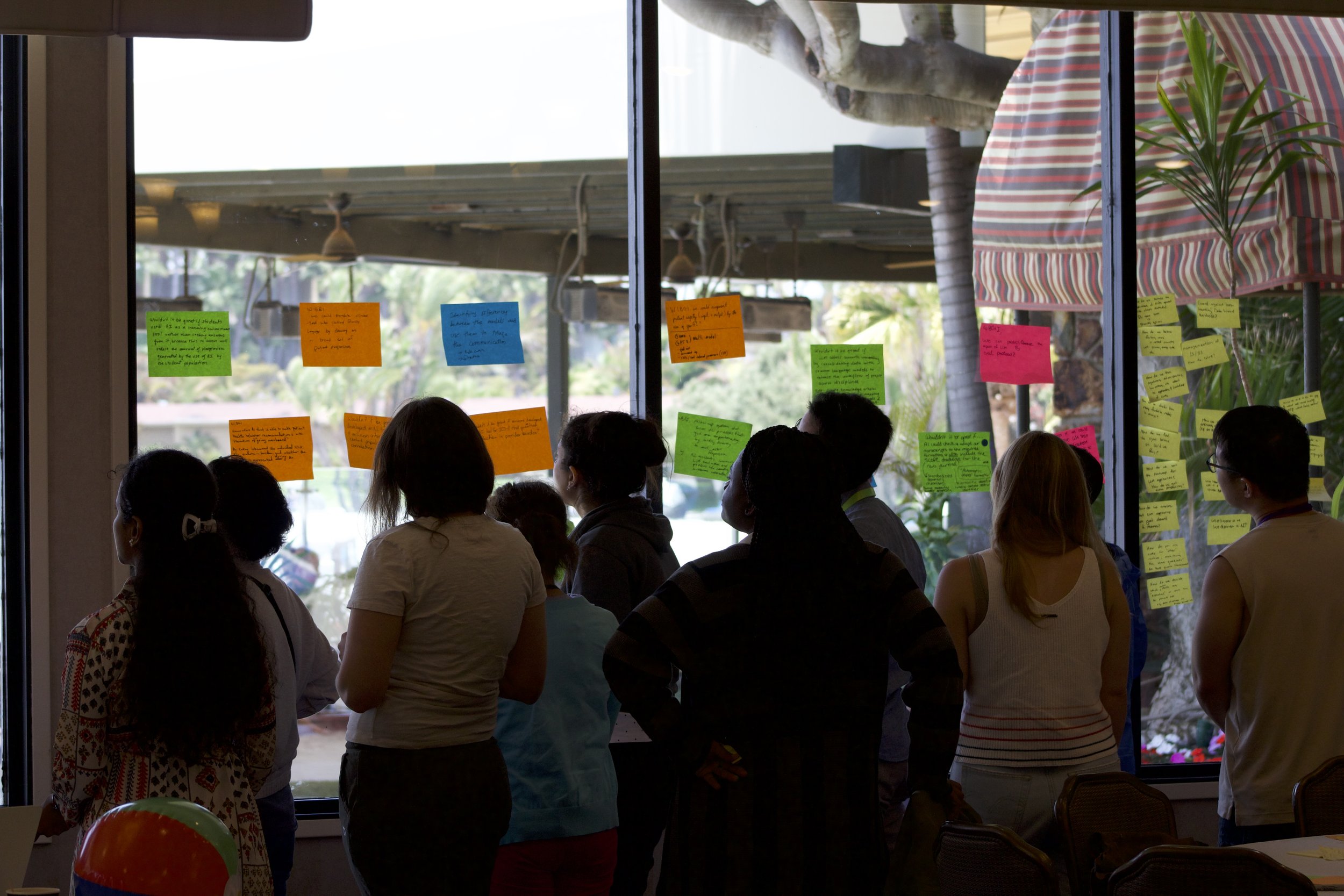
Inside the UVA BDSIL Seminar Series
The series exists as a library of knowledge to help foster communication and collaboration between professionals in the Biomedical and Data Science fields working on complex interdisciplinary problems.
-

The ALS Cure Project: Writing the Roadmap to a Remedy
How personal loss sparked a coordinated international effort to accelerate ALS research ALS, or amyotrophic lateral sclerosis, is a devastating, incurable neurodegenerative disease the causes of which are not known. Over time, the disease robs its victims of the ability to control their muscles and most experience a slow, excruciating decline. It is also devastating…
-

Technology-Driven Future of Cancer Research
Virtual Jumpstart connected synthetic biologists with cancer researchers to create novel therapeutic approaches Lab-engineered cells are injected into a patient where they latch onto a tumor and deliver a lethal therapeutic payload. Another type of synthetic cells attaches to the inside of a person’s intestines and becomes detectable using ultrasound if they encounter cancerous cells.…
-
Coming Together (Virtually) for a Healthier Africa
Scaling a 350-person meeting to 1600+ participants required inventing new virtual networking tools and interactive experiences One thing we love about working with scientists is that they are motivated by trying to make the world a better place. They see problems, such as the need to apply the latest in data science to improve public…
-
Coordinating Sustainability Research & Innovation
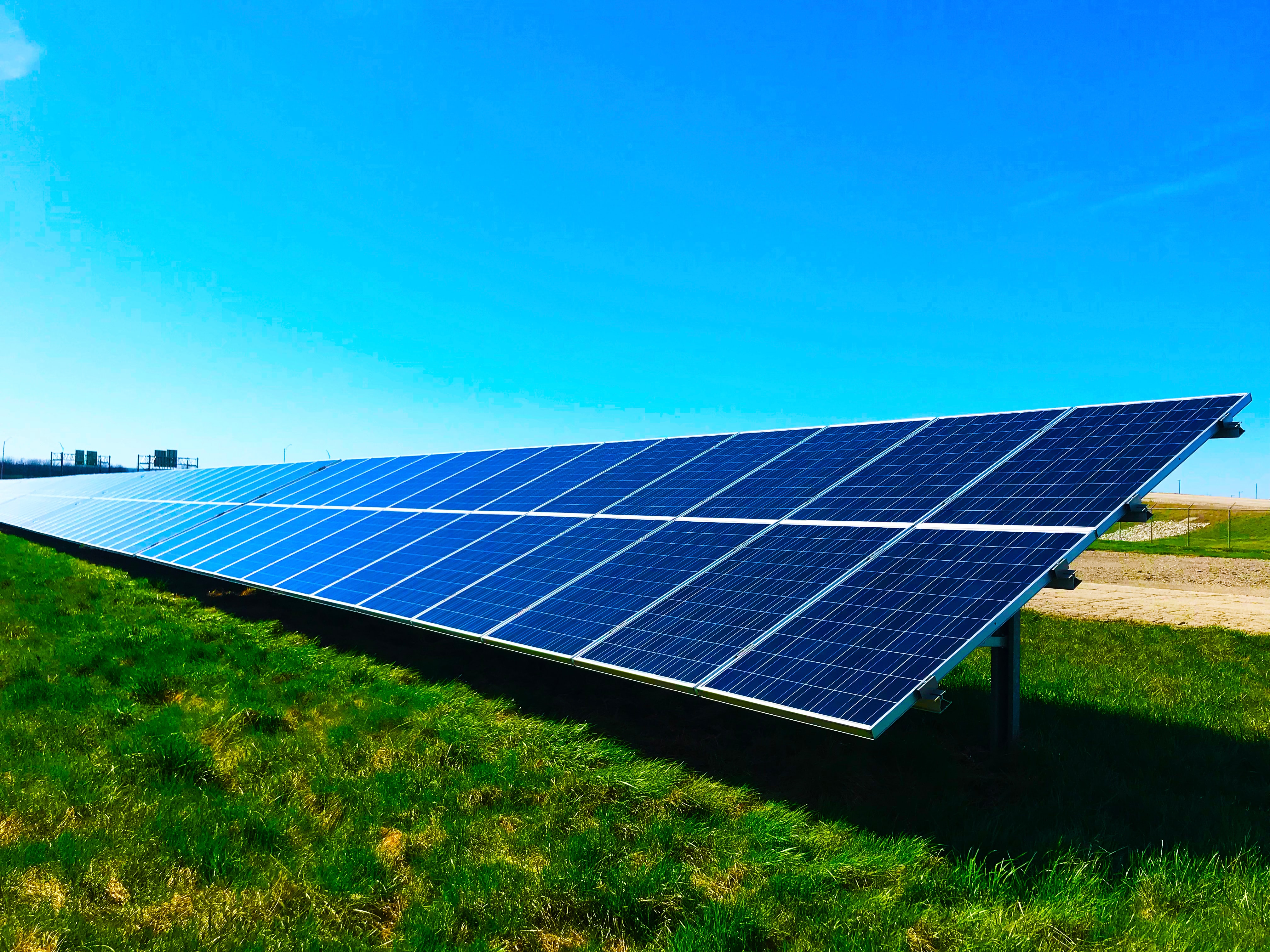
Future Earth is bringing the world’s climate scientists together in a coordinated way so that precious time and resources are not lost. The organisation recently held a Virtual Summit to get it through a crossroads in its fulfilling its mission.
-
Accelerating Science With Big Data
Many scientific fields have yet to realize the potential of Big Data. That’s where NSF’s Harnessing the Data Revolution (HDR) comes in — from improving our chances of detecting dark matter to resolving the tree of life. The HDR All-hands meeting brought together principal investigators to share best practices and discuss how to grow the community.
-

Realizing the Benefits of Basic Research
It takes more than innovative science to get funding for basic research these days. Researchers applying for grants must also demonstrate the “So what?” of their science. In addition to convincing grant reviewers of the intellectual merit of their proposals, scientists must also show the potential for broader impacts and how they plan to work…
-

Next-Level Bioelectric Medicine
How the first all-virtual Ideas Lab brought experimentalists and computational modelers together to accelerate bioelectronic device development In recent months, some scientists have found themselves asking: “Do we let this pandemic slow down the science that could help people live healthier lives?” Last month, organizers, mentors and 29 researchers decided the answer was ‘no’ and…
-

Empowering Ambassadors of Science
Researchers who collaborate with others must be able to describe and discuss their work with fellow scientists, both within and outside their area of expertise. We’ve noticed that those who work best on the cross-disciplinary teams that form at KI events are not just translators, but ambassadors. They are sensitive to differences in language and…
-

CAREER Workshop Goes Virtual
The decision to go virtual was for organizers of the 2020 NSF Engineering CAREER Proposal Workshop. Sure they’re a group of tech-savvy engineers, but they had never offered a multi-day event online before. Eventually, they decided they needed help with the tech side of things so that could focus on the event and with making…
-

Reducing Opioid Deaths
The State of Connecticut sees a disproportionately high number of opioid-related deaths. In response, UConn’s Institute for Collaboration on Health, Intervention, and Policy held an Ideas Lab to bring together a diverse group of academics and stakeholders to come up with innovative ways to address the problem.
-
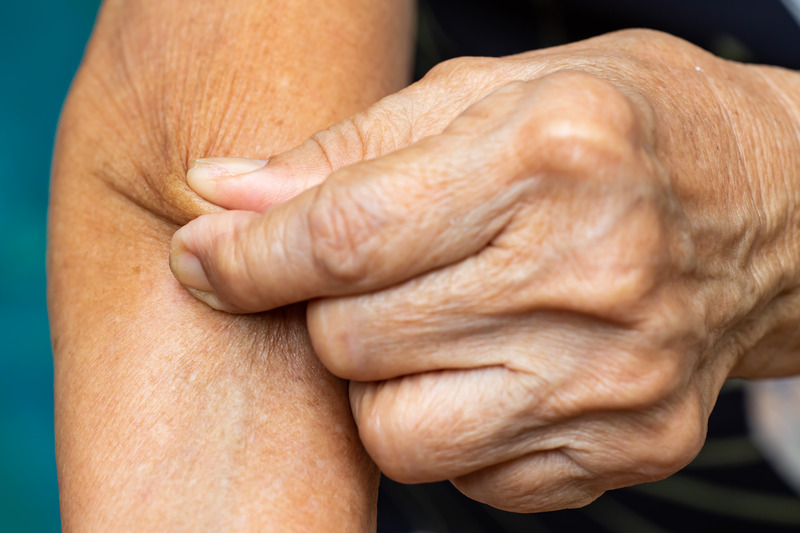
Beyond the Skin-Pinch Test for Scleroderma
Researchers blame a low-tech skin-pinch test, in part, for the routine failure of potential scleroderma drugs in clinical trials. Modernizing the evaluation of potential drug therapies was the focus of the three-day Scleroderma Diagnosis Sandpit hosted by Scleroderma and Raynaud’s UK February 26-28, 2020 at the Wellcome Collection in London.
-

Plotting the Course for Systematic Biology
Systematic biologists study and classify the diversity of life on earth. What they do is at the heart of evolutionary biology and, some would argue, biology as a whole. The Society of Systematic Biologists met January 3-6, 2020 at the University of Florida, Gainesville. Their conference, SSB 2020: Systematics in the Swamp, included a KI…
-

Remodeling the House of Science
Today’s young scientists are under enormous pressure. Setting up new labs, teaching courses for the first time and conducting publication-worthy research all at the same time can take it’s toll. But, some young researchers are learning about — and putting into practice — collective leadership, which they hope will lead to a much-needed institutional makeover…
-

Resolving the Tree of Life
Scientists have long used physical traits to shed light on evolutionary relationships. Sometimes this has worked, like using lactation to group mammals. And, sometimes, it hasn’t: people once thought bats were featherless birds! Today, evolutionary biologists rely more heavily on molecular-based phylogenies to resolve relatedness. But, what they haven’t been able to do is address…
-
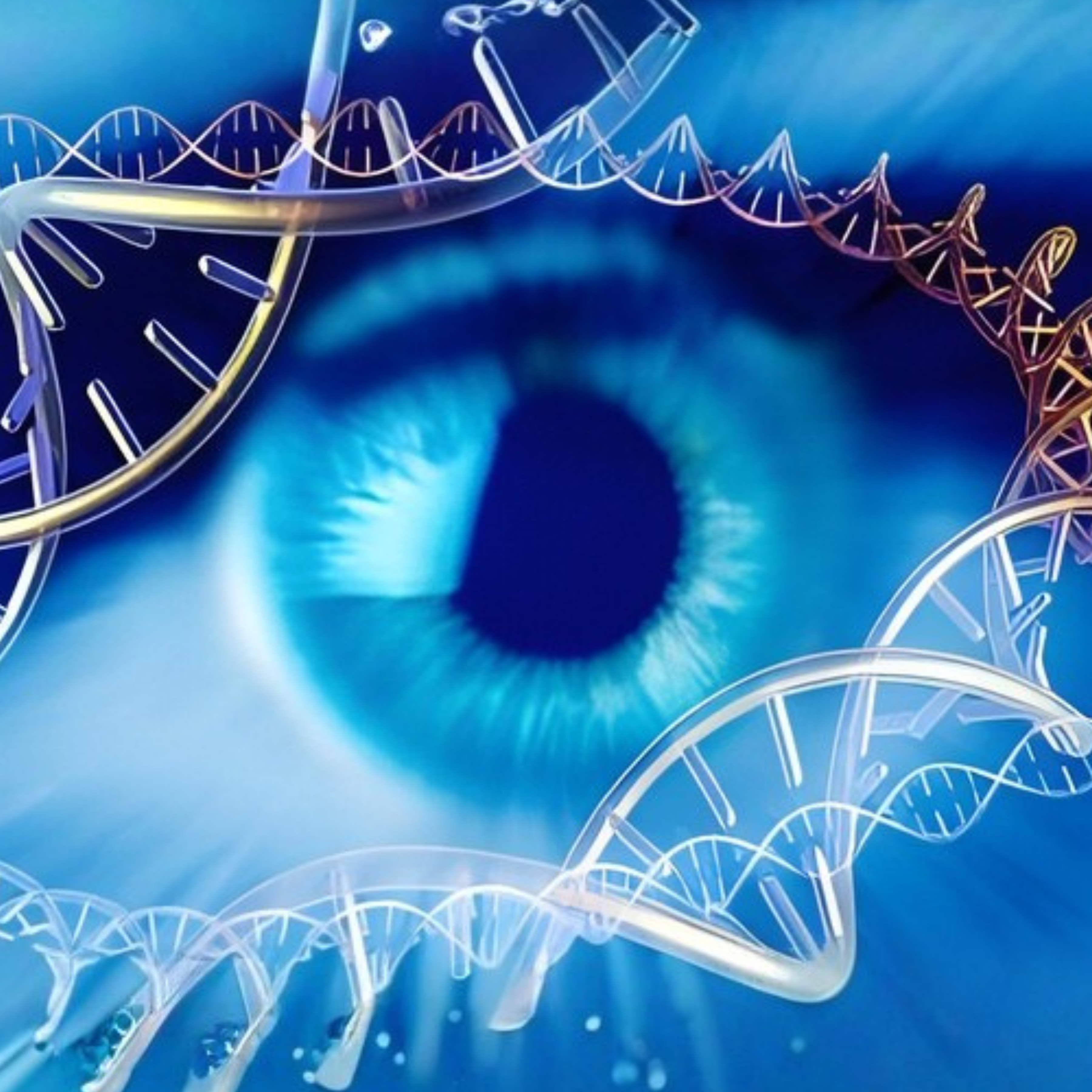
Biology’s Jupitershots
The Reintegrating Biology workshop series uses KI’s methods of deliberate creativity to identify new research questions that could be addressed by combining approaches and perspectives from different subdisciplines of biology, the key challenges and scientific gaps that must be addressed to answer these questions, and the physical infrastructure and workforce training needed.
-
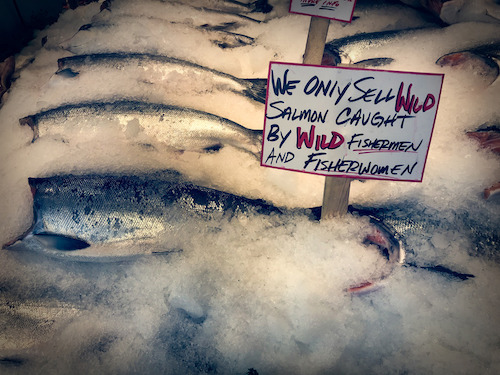
Managing Shifting Marine Species
Our love affair with the ocean runs deep. Humans love to live next to the sea, honeymoon on islands and dream about summer road trips to the beach while tapping away at our keyboards. During lobster and crab season, we enjoy the food, community and culture of the Northeast U.S. Likewise, we celebrate shrimp and…
-

How to Catch a Glimpse of Dark Matter
Scientists think that about 25 percent of our universe is made up of stuff you can’t see or feel. They’ve named this non-luminescent mystery material dark matter. Some think dark matter is hot (HDM) while others think its cold (CDM). And, yes, some say – you guessed it – warm (WDM). The cold theory has…
-

The Trilemma Challenge: Food, Health & Ecosystem
Feeding the planet in the 21st century means doubling production of food, feed, fuel and energy while at the same time making food systems sustainable, inclusive and more efficient. It’s a food-health-ecosystem trilemma. CSU researchers are forming interdisciplinary teams in order to come up with innovative ways of meeting the challenge.