
Tag: research
-

Walk this Way
Walking, it seems, is now a tested method for coming up with creative ideas. It probably doesn’t surprise you that standing up and stretching your legs and getting some aerobic activity to move your blood around might help your brain to conjure up more options. But now there’s research from Stanford University’s Graduate School of…
-

Be Deliberate
Creative ideas sometimes come as a surprise, but they don’t have to be an accident. Instead of waiting for good ideas to arrive at random or by luck; we can hunt them down. When you use a creative process – whether it’s for a short meeting, a 2-day or week-long workshop or a 3-year project…
-

Female Factor
Science is a subject available to both genders and yet women, if not directly discouraged, haven’t been as encouraged to pursue it as a field of study. Girls are steered toward languages and the liberal arts, implying that maths and sciences are better left to the boys. It’s a stereotype that’s been torn down and…
-

Brains and Soul in Equal Measure
So much depends on getting the right people in the room. A workshop designed to produce innovative outcome can fail – even with the perfect agenda design and the most astute facilitators – if the people who’ve been assembled don’t have the right spirit and motivation to help it succeed. But how do you get…
-

Defining Brainstorming
In 1958, Yale University conducted a study to test brainstorming and concluded that brainstorming individually was more effective than brainstorming in a group, but it was widely misinterpreted as “brainstorming didn’t work.” The Yale study created a debate that has percolated for fifty years. Does brainstorming work or not? Does a group generate more and…
-
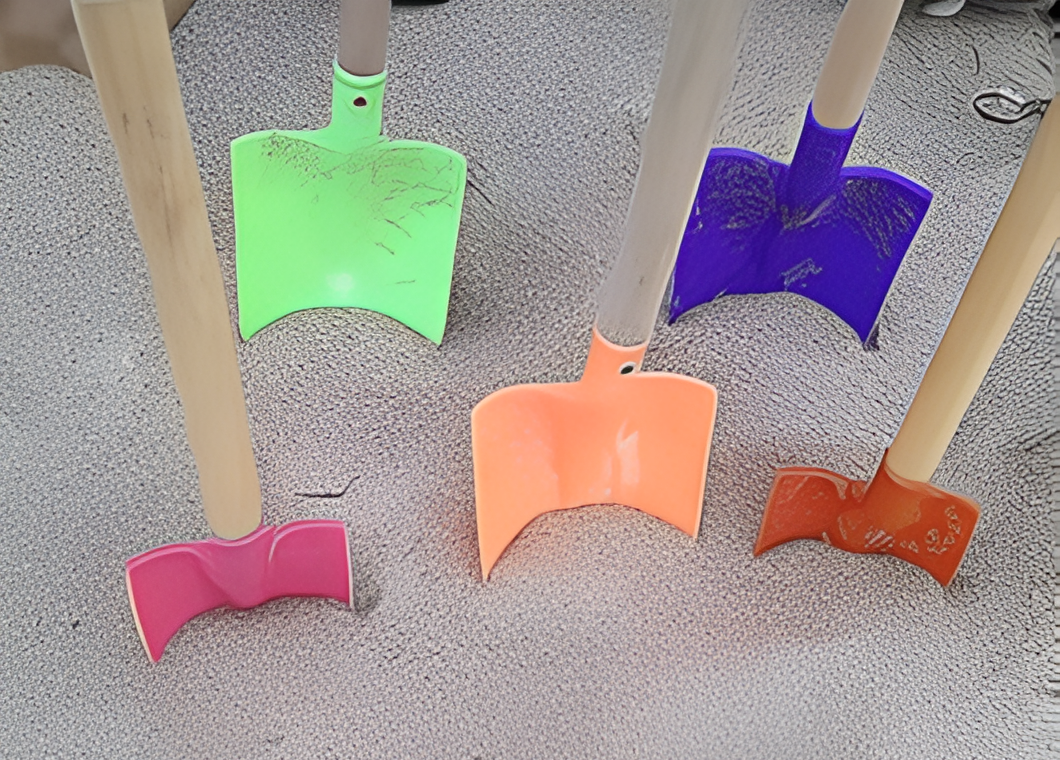
In the Sandpit
What happens when diverse groups of researchers are forced to catalyse and collide and collaborate? Questions arise that wouldn’t otherwise have been posed, and partnerships form between people from very different scientific disciplines. That’s what often makes the output of Sandpits (aka Ideas Labs) unique and innovative