
Tag: KI way
-

Tolerating Ambiguity
It‘s usually in a moment of feeling blocked or stalled that there’s a fierce temptation to seize the nearest reasonable solution. This is when we need a tolerance for ambiguity. It means staying in uncertainty, or staying with the question, despite the discomfort of not knowing the answer, or not knowing where we’re headed. It…
-

Just Say Yes
The KI method depends on a unique skill that scientists may be unaccustomed to: deferring judgment. It is the capacity to set aside your opinions temporarily and accept a new or odd idea and take the time to develop it before dismissing it. If you can overlook the flaws of a suggestion and play with…
-

Make Room
Where you meet sets the mood for your meeting, which is why the space matters. Put people in the same old meeting room and the chances of getting the same old output are pretty good. If it’s a big open room with an inviting seating plan around round tables, with long walls of white paper…
-

It’s Down to Preference
Some people thrive in a group setting, and their creative flow is sparked by the frenetic and popcorn-style of a fast meeting with lots of ideas, or even if it’s not fast, in an environment where ideas are exchanged and developed by a number of people. Others think better when they’re operating solo. They solve…
-

Be Deliberate
Creative ideas sometimes come as a surprise, but they don’t have to be an accident. Instead of waiting for good ideas to arrive at random or by luck; we can hunt them down. When you use a creative process – whether it’s for a short meeting, a 2-day or week-long workshop or a 3-year project…
-

The Productive Dissident
Deviance has an important place in the innovative process. We don’t challenge norms without a little (or a lot) of deviant thinking. And the single best way to discourage inventive, out-of-the-box deviance is to prohibit disagreement and probing questions. We need a little clarifying, critical judgment now and then. The trick is to cultivate a…
-

Right, then.
Still there you are in some meeting, ostensibly about cultivating novel solutions to a chronic problem and the standard assumptions are upheld – sometimes even defended – usually by the person who thinks they know better. The person who needs to be right, gets to be right – but often at the expense of novel…
-

Right People in the Workshop
The alchemy that results in a successful workshop depends on starting with the right ingredients. We have found that one of the most important of these elements is the people who are invited to attend. Here’s are a few tips on recognizing the best — and less-than-ideal candidates for a creative team science workshop.
-

Sweet Solitude
The KI process depends on people with diverse research backgrounds coming together, getting to know one another and exchanging novel ideas. But, sometimes getting the most out of group thinking and new ideas means individuals need to take time in solitude to let these ideas sort themselves out.
-
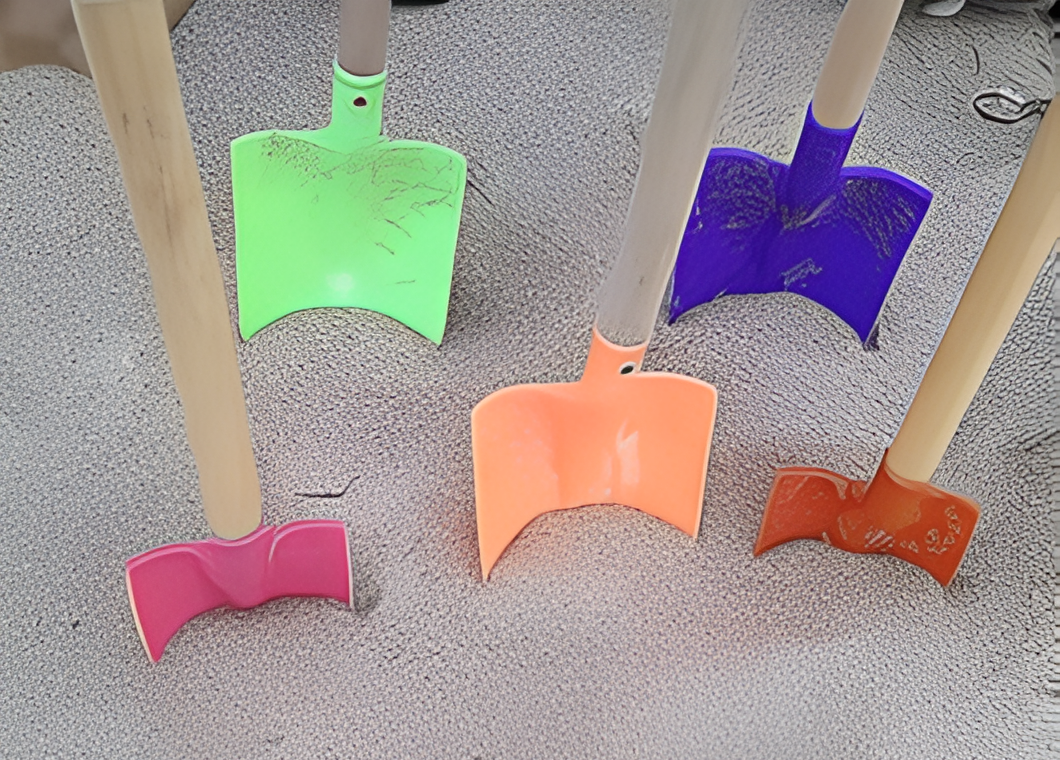
In the Sandpit
What happens when diverse groups of researchers are forced to catalyse and collide and collaborate? Questions arise that wouldn’t otherwise have been posed, and partnerships form between people from very different scientific disciplines. That’s what often makes the output of Sandpits (aka Ideas Labs) unique and innovative