
Year: 2010
-

Brains and Soul in Equal Measure
So much depends on getting the right people in the room. A workshop designed to produce innovative outcome can fail – even with the perfect agenda design and the most astute facilitators – if the people who’ve been assembled don’t have the right spirit and motivation to help it succeed. But how do you get…
-

Wondering Mind
A subtle shift in language provokes our thinking and makes our brain more nimble. Instead of complaining about what doesn’t work or isn’t happening, the problem posed as a question starts a chain reaction that ignites our curiosity. We realise it’s not so much about naming the problem, it’s more about wondering what are all…
-

Right, then.
Still there you are in some meeting, ostensibly about cultivating novel solutions to a chronic problem and the standard assumptions are upheld – sometimes even defended – usually by the person who thinks they know better. The person who needs to be right, gets to be right – but often at the expense of novel…
-

Defining Brainstorming
In 1958, Yale University conducted a study to test brainstorming and concluded that brainstorming individually was more effective than brainstorming in a group, but it was widely misinterpreted as “brainstorming didn’t work.” The Yale study created a debate that has percolated for fifty years. Does brainstorming work or not? Does a group generate more and…
-

When Toys are Handy
The playful gizmos and gadgets we bring along help make the conference room look less sterile and corporate, but the toys are not just for show. If you’re a tactile person, being able to squeeze a rubber ball, or twist the beads of a wooden wand, fumble with a Rubik’s cube or stack tiny colored…
-

Right People in the Workshop
The alchemy that results in a successful workshop depends on starting with the right ingredients. We have found that one of the most important of these elements is the people who are invited to attend. Here’s are a few tips on recognizing the best — and less-than-ideal candidates for a creative team science workshop.
-

Sweet Solitude
The KI process depends on people with diverse research backgrounds coming together, getting to know one another and exchanging novel ideas. But, sometimes getting the most out of group thinking and new ideas means individuals need to take time in solitude to let these ideas sort themselves out.
-

Do You Feel Lucky?
Lucky people deliberately choose to make their life diverse and different. Unlucky ones tend to stick to routines. So one way to instantly improve your luck, and your creativity, is to change things up. Do it differently. Eat lunch at a different place. Shop at a new store. Walk home a different route. And while…
-

Another Brainstorming
If it’s a productive brainstorming session, it can give the participants a real sense of accomplishment and group ownership of an idea, which can only enhance the sense of team – much moreso than a rigged teambuilding event. If the session if lively and humorous, the laughter reduces stress and creates a good working climate.…
-

The Naïve Mind
If your team is fairly expert, it might help to invite a non-expert who may be especially fluid or creative, but who’s in the dark about the subject at hand. Their questions often end up redefining the problem, and because they are unencumbered with the conventional wisdom, they are freer to think of wild and…
-

A Smaller Sandprint
Our initial problem statement: How to minimize KI’s carbon footprint? We invited the participants at a Sandpit on energy efficient design to offer suggestions first of all on how we could measure our carbon output, so we have a benchmark against which to improve. And then we invited any ideas they might have about controlling…
-

Innovate this Week
World Creativity and Innovation Week has been happening since April of 2001, and is meant, according to co-founder Marci Segal, “to help people celebrate their capacity to use their creativity to make the world a better place, and to make their place in the world better, too.” There are events this week in Canada, the…
-

Just One Thing
Think about some aspect of your work or life that you deal with everyday. It might be how you drive your car, how you walk the dog, how you manage a staff meeting or how you habitually solve a problem. What if you had an unlimited amount of time in which to focus on just…
-
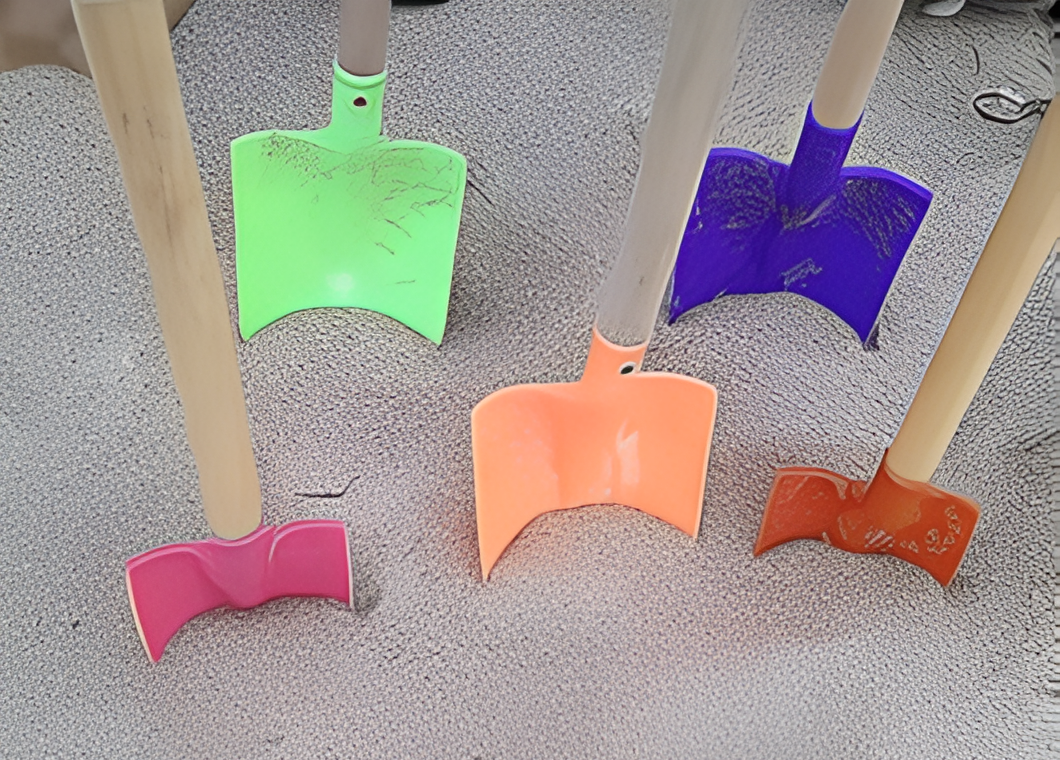
In the Sandpit
What happens when diverse groups of researchers are forced to catalyse and collide and collaborate? Questions arise that wouldn’t otherwise have been posed, and partnerships form between people from very different scientific disciplines. That’s what often makes the output of Sandpits (aka Ideas Labs) unique and innovative
-

Playing Around
Maybe creativity is just the adult word for play. Think about it: creativity involves testing, trying, imagining, pretending, expressing, making things up – everything that is part of a child’s world of play. When we use our creativity to solve a problem, we’re actually playing with the problem, playing with language and perspective, toying with…
-

Don’t Tell, Ask
Creating an environment where people feel comfortable asking questions is key. Most people are too careful about asking questions, “for fear of looking stupid, or because they know the organization won’t value it.” This fear shuts down the overall critical thinking quotient, and closes doors that might otherwise have been open to new ideas and…