
How a virtual speaker series bridges knowledge gaps between biomedical researchers and data scientists
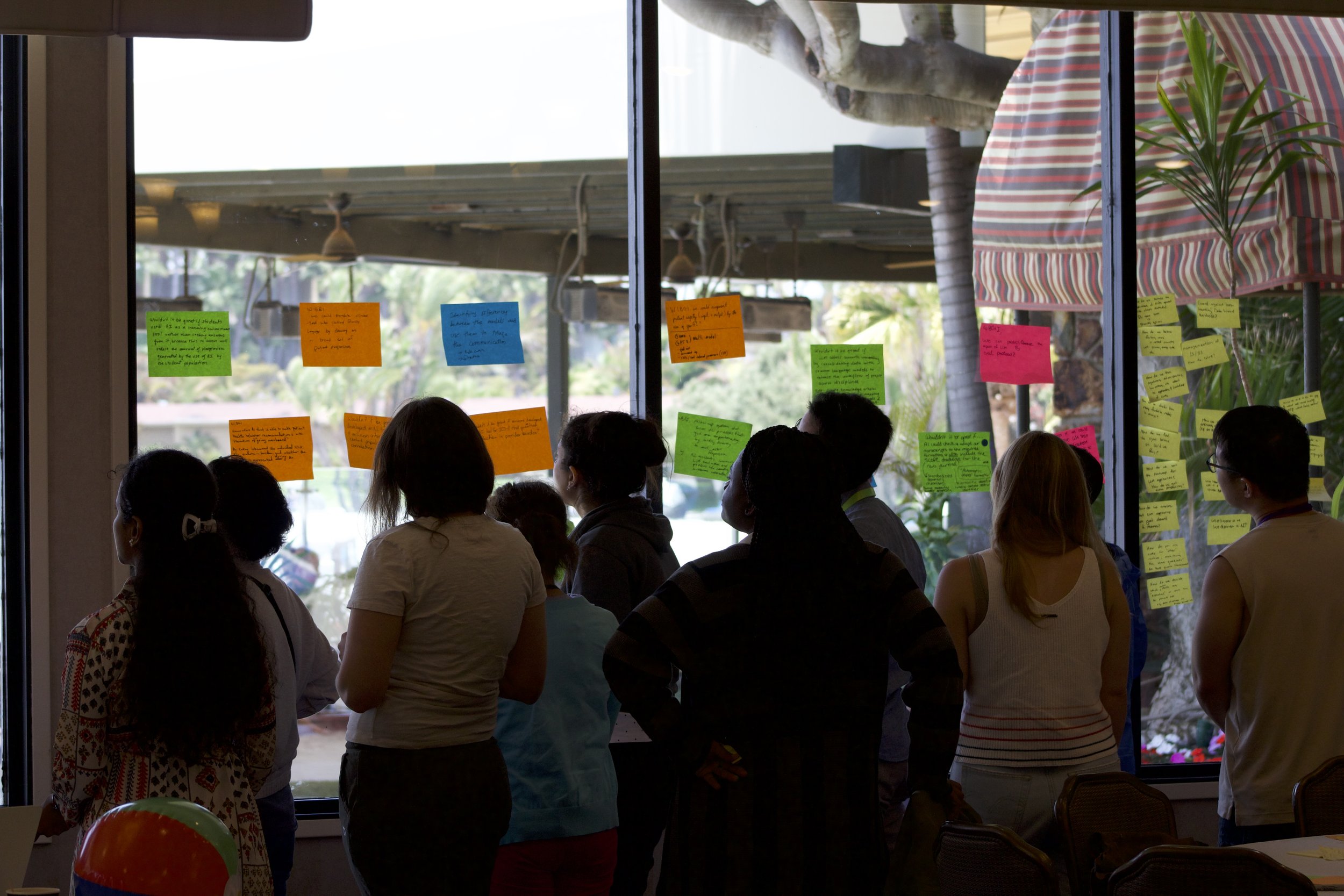
The Biomedical Data Science Innovation Lab (BDSIL) is an annual program that rotates its meeting location each year. One of the program’s progenitors, John Darrell Van Horn, a professor of Data Science at UVA, explains that the meeting place is moved around the country – he reels off a list of locations including Oregon, California, Washington State, North Carolina – to keep the Innovation Lab accessible.
Accessibility is a key component of the Foundations of Biomedical Data Science Seminar Series, a lengthy and ongoing series of virtual speaker talks hosted on the UVA website. The informational videos are accessible to anyone participating in an upcoming BDSIL – and to anyone interested in, for example, ethical use of AI in medicine, biomedical implications of data polution, the COVID pandemic’s impact on other influenza strains, or any of a number of other topics recently featured.
Building the Library
The series aims to help bridge the knowledge gaps between participants in upcoming Innovation Labs, which by their very nature involve collaboration between individuals in different fields, namely biomedical researchers and data scientists. The seminar series also exists as a free-to-use and curated collection of the work of some of the brightest minds working in both fields. Or, as Van Horn so succinctly puts it, “by and large, it’s like a Master Class” on biomedical data science.
“That’s the general idea, to build this body of work, and to give the people who are coming to the lab the opportunity to get up to a base level of awareness on the topic we’re covering,” says Tim Dunne, a facilitator at KI. “They’re trying to build the library.”
That library is a useful tool, possibly even essential, to help get participants up to speed on the issues inherent in the intersection of the different scientific branches of Biomedical and Data Science research. One of Van Horn’s key conditions for success is beginning with a diverse group of potential participants. They must also be willing – and able – to work together, in concert, to articulate answers to complex questions.
The Right Team for the Challenge
This means they will face a number of initial challenges to communication, though communication is a necessary factor for a successful Innovation Lab; the library of videos helps participants overcome the challenge of their different scientific backgrounds. “In the quantitative sciences, they usually like to think about it for a while; it’s a little slower paced,” he explains. “So bringing those people together makes it an intense environment, but it’s also one where I think that team science element can emerge. That’s one of the things we’re really trying to do. We specifically try to bring people in who are in these diverse fields. We try not to bring too many people who are from the same institutions, so we get the broadest representation possible.”

“Who are the best team members?” Van Horn ponders, before offering an answer, “They really want to make new partnerships and form new interdisciplinary, cross-disciplinary teams.”
Where Innovation Happens
Van Horn explains that such a willingness to be a part of the team is vital to the success of the mission, as it enables the creative approaches to problem-solving the event aims to produce. The BDSIL involves a large number of professionals doing interdisciplinary work, and, as Van Horn mentioned earlier, the process can be somewhat intense. Especially, he explains, that working through the creative process is itself a step in that selfsame process.
“The innovation doesn’t just happen,” Van Horn explains. “You have to be in a place where it’s ideally positioned, that it has to happen, and the Innovation Lab really tries to get people to that place in a concentrated period of time. It’s not just collaboration, it’s cooperation. It’s really magical to see how that process plays out.”