
Tag: sandpit
-
Earlier Detection of Cancer
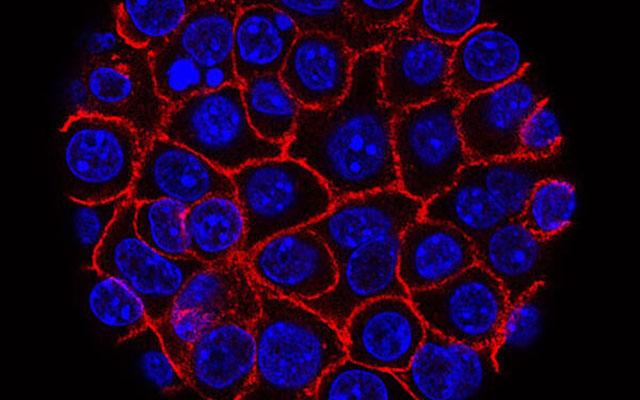
How CRUK’s Sandpit Workshops are accelerating breakthrough research in early cancer detection In the United Kingdom, only 25 percent of cancers are detected at stage 1. Cancer Research UK (CRUK) has been holding Sandpit Workshops since 2018 focusing on the early detection of cancer. Sandpits, which are known as Ideas Labs in the U.S., are…
-
Beyond the Skin-Pinch Test for Scleroderma
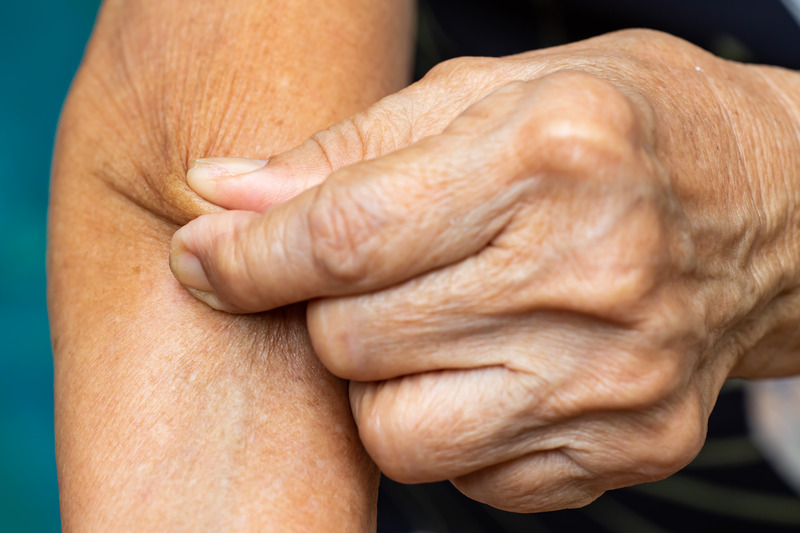
Researchers blame a low-tech skin-pinch test, in part, for the routine failure of potential scleroderma drugs in clinical trials. Modernizing the evaluation of potential drug therapies was the focus of the three-day Scleroderma Diagnosis Sandpit hosted by Scleroderma and Raynaud’s UK February 26-28, 2020 at the Wellcome Collection in London.
-

Getting Smart in the Sandpit
After facilitating many a Sandpit (aka Ideas Lab) for academic researchers, we wondered if our methodology might work for a development problem? Inclusive Innovation was born to find out. Here’s what we learned.
-

Ideal Participant Pool
KI’s Ideas Labs are intense and immersive, bringing together people of diverse backgrounds and disciplines in order to generate ideas for radically novel research proposals. Our process helps these extreme ideas emerge, but there’s another very important component to the success of these workshops: the collection of participants in the room. Here’s how we counsel…
-
A Sandpit Tale
Knowinnovation has been facilitating Sandpits and Ideas Labs for a number of years, and this has has given us the opportunity to witness the emergence of some fascinating science. In many ways, KI is like a midwife, creating an open environment for different perspectives to collide, which leads to new questions that ultimately provoke new…
-

When is a Sandpit not a Sandpit?
into a shorter period of time? Do breakthroughs happen in the same way, or is there a minimum time required to achieved innovation? In an attempt to answer these questions we’ve designed a shorter event, a Mini-Sandpit or a Jumpstart. It is literally that – a jumpstart to enable the right people to come together…
-

Female Factor
Science is a subject available to both genders and yet women, if not directly discouraged, haven’t been as encouraged to pursue it as a field of study. Girls are steered toward languages and the liberal arts, implying that maths and sciences are better left to the boys. It’s a stereotype that’s been torn down and…
-

Brains and Soul in Equal Measure
So much depends on getting the right people in the room. A workshop designed to produce innovative outcome can fail – even with the perfect agenda design and the most astute facilitators – if the people who’ve been assembled don’t have the right spirit and motivation to help it succeed. But how do you get…
-

A Smaller Sandprint
Our initial problem statement: How to minimize KI’s carbon footprint? We invited the participants at a Sandpit on energy efficient design to offer suggestions first of all on how we could measure our carbon output, so we have a benchmark against which to improve. And then we invited any ideas they might have about controlling…
-
In the Sandpit
What happens when diverse groups of researchers are forced to catalyse and collide and collaborate? Questions arise that wouldn’t otherwise have been posed, and partnerships form between people from very different scientific disciplines. That’s what often makes the output of Sandpits (aka Ideas Labs) unique and innovative