Open to Results

green_framed_on_green

KI tries to stay in touch with the scientists and academics who’ve come through our events, to track the progress of their projects, monitor the impact of the Sandpit (a.k.a. Ideas Lab) and how it accelerates scientific innovation and also just to hear from participants, with some time to reflect, about their experience at our workshops. Here’s another Sandpit tale, following up on two projects that we’ve had the privilege of midwifing in the last few years.
Keep reading »

Female Factor

des_femmes

Science is a subject available to both genders and yet women, if not directly discouraged, haven’t been encouraged to pursue it as a field of study. Girls are steered toward languages and the liberal arts, implying that maths and sciences are better left to the boys. It’s a stereotype thatís been torn down, and yet the gender imbalance is still apparent in the field of scientific research and academics.

We see it in the make-up of the participant rosters for the Sandpits we run. These events host between 18 and 35 people, depending on the type of question and the funding available. Usually the number of female participants – women who’ve applied to and have been accepted – hovers around 25% of the group. When the question has easily evident social-science impact like the future of the digital economy, the number is higher. But in a typical Sandpit, the ratio of men to women is 3:1. It’s even been as low as 4:1. Keep reading »

Brains and Soul, in Equal Measure

colorful_house

So much depends on getting the right people in the room. A workshop designed to produce innovative outcome can fail – even with the perfect agenda design and the most astute facilitators – if the people who’ve been assembled don’t have the right spirit and motivation to help it succeed.  But how do you get the right minds in the right place?

Bharat Maldé is an organisational psychologist who works closely with the Engineering and Physical Sciences Research Council (EPSRC), the first proponent of the Sandpit process.  We believe his guidance is critical to the success of these workshops, which is why we asked him to talk about his experience working with the EPSRC and other scientific research organizations, screening applicants for the intense Sandpit event. Keep reading »

In the Sandpit

shovel_sand

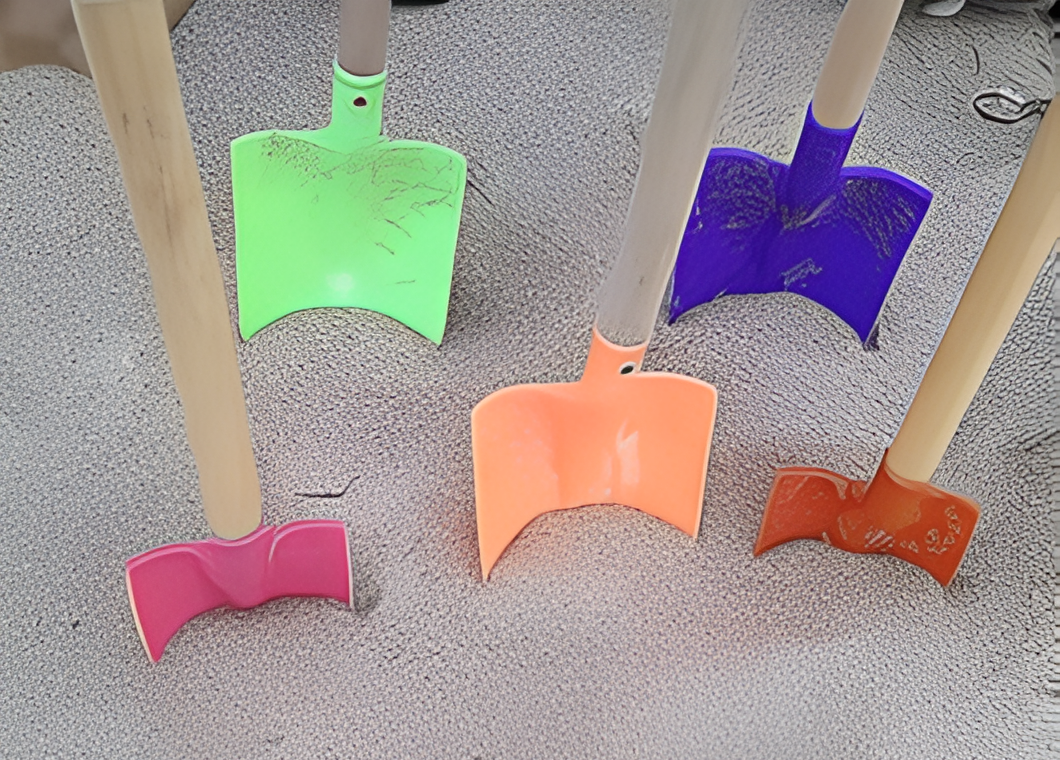
At lunch, the participants seemed lighter, relieved. Their 10-minute final pitches for funding behind them, the weight of the week’s work had been shed. There was nothing to do but wait for the assessment team to finish their deliberations and in the meantime get a bite to eat and socialise with the others in the group, new colleagues who just four days ago were perfect strangers. This is what Fridays are like at a Sandpit.

Last week, 27 people assembled at a conference hotel in Bath Spa, UK, to try their luck at getting funding to do research on user-centered design for energy efficiency in buildings. Their backgrounds were varied; a deliberate attempt was made to invite participants from a broad spectrum of academic and business backgrounds. Participants applied to attend, which means they were prepared to clear a five full days from their schedules and throw their lots in with a group of people they didn’t know, but with whom they’d have to partner in order to get funded. The amount of money on the table: up to 2 million sterling. Keep reading »

Page 1 of 11